For chef-operators
Found your space? Let’s make sure it can hold your restaurant.
An engineer walks the space, reads the code against your menu, and prices every gap between the two. You get one document: what this space can hold, what it takes to get there, and what that actually costs — while you can still do something about it.
Start with your concept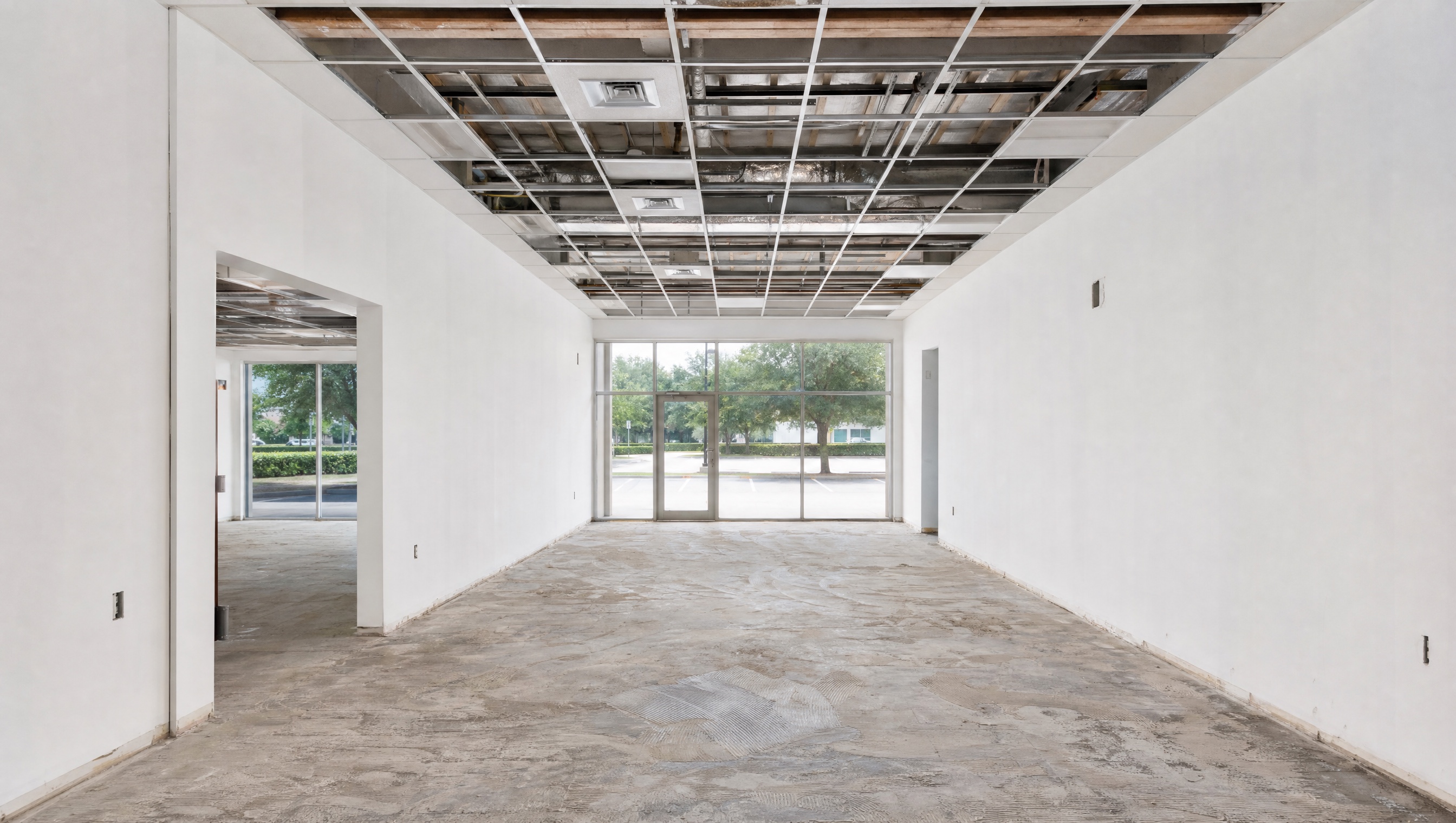
25–30%
How far under the real number a first-time restaurant budget lands.
Maitre Brief 001 · restaurant tenant-improvement benchmarks
It is not carelessness with money. The things that break a restaurant budget are the things you cannot see from the dining room: what is behind the wall, what is on the roof, and what the city will make you replace the day the lease changes hands.
On the space in our example report, the grease interceptor the city requires the moment a new tenant signs runs $42K–$68K. The last tenant never needed one. The landlord did not know. It was in nobody’s budget, on either side of the table.
That is one line. There are usually three or four, and they are found by reading a fixture schedule against a plumbing code — not by walking the room and liking it.
What you actually want
Someone who has done this before, standing in the space with you, telling you whether it will actually work and what it will really cost — before you commit your savings to it. That is the entire job. Nobody sells it, so most operators end up asking the contractor who wants the build and the broker who wants the lease. Both can be good people. Neither one is neutral.
What comes back
01
Whether it fits your concept
Not a condition report on a building. A read on this floor plate against your cook line, your seat count and your menu — the three things that decide whether the kitchen you drew actually goes in here.
02
Every gap, priced in a range
Each one built from three subcontractor bids per system, with the reason it exists, what it turns on, and what the range depends on. Ranges, not a single number — anyone who gives you one number before drawings is guessing.
03
What you inherit for free
The last tenant's infrastructure is usually worth $30K–$80K to you. Which parts of it survive a change of tenant is a different question, and it is the one that pays for the assessment.
Some spaces arrive already assessed. Their landlord commissioned the work and the space carries a Restaurant-Ready badge — you read the same document they do, unchanged. For anything else, including the one you have your eye on, we go and look.
Sign it with the number in your hand
The lease is the milestone. It is worth the champagne and the photograph — you have earned both. It is also the last moment the number still moves. After the signature, the space is priced by whoever you hire to finish it, and every surprise inside it is yours. An engineering read before that moment is the cheapest leverage you will ever have on this project.